
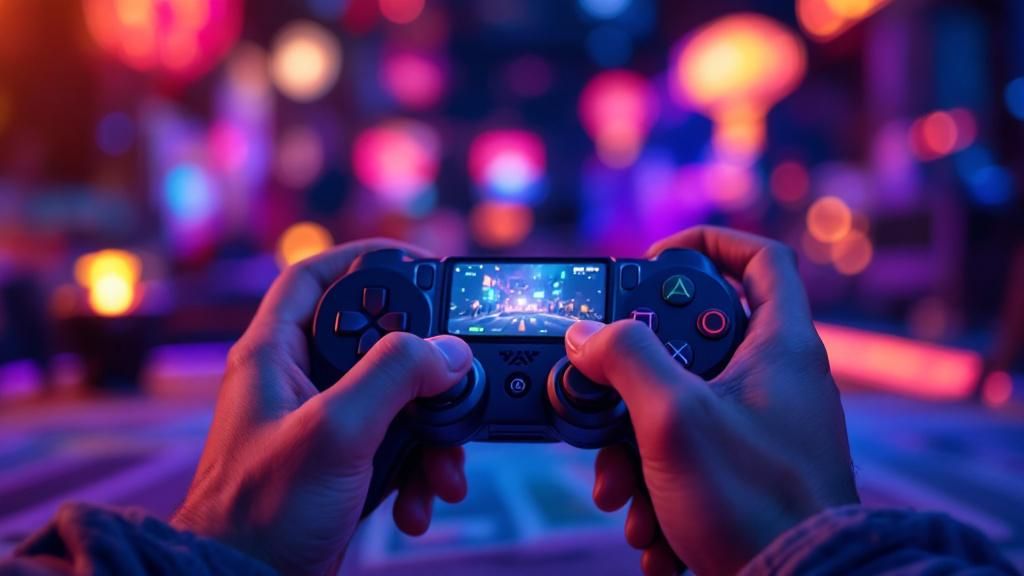
For millions of disabled gamers globally, accessibility features have transformed gaming from an unattainable goal into an tangible outcome. Mobile games, in particular, have become progressively welcoming, offering customisable controls, visual and audio adjustments, and text-based dialogue support that establish fair competition. This article investigates how these vital functionalities are enabling disabled players to experience mainstream titles alongside their non-disabled peers, whilst examining the sector’s increasing dedication to universal accessibility and the profound impact accessibility has on gaming communities.
The Significance of Accessibility in Video Games
Accessibility in gaming constitutes far more than a simple optional extra; it is a essential entitlement that enables millions of disabled people to take part in interactive entertainment. Without sufficient accessible design, countless potential gamers are excluded from experiences that non-disabled players regard as normal. By implementing thoughtful design choices such as flexible control schemes, adjustable text sizes, and descriptive audio, developers establish routes for players with disabilities to engage with the equivalent content their peers enjoy, fostering genuine inclusivity within the gaming community.
The value of accessible gaming extends beyond individual enjoyment, contributing to broader social and economic benefits. When game developers prioritise accessibility, they substantially increase their reach, whilst simultaneously promoting a culture of inclusivity that advantages all players. Mobile games have emerged as particularly powerful vehicles for this shift, offering adaptable systems where accessibility features can be naturally incorporated. This accessibility-focused strategy demonstrates that inclusive design and commercial gaming are not mutually exclusive concepts, but rather complementary elements that improve both the standard and scope of interactive entertainment for all players.
Core Accessibility Features for Games on Mobile Devices
Modern mobile games feature a comprehensive range of accessibility features intended to support players with different abilities and disabilities. These features span visual, audio, motor, and cognitive considerations, enabling developers to build inclusive gaming experiences that preserve quality or entertainment value. From flexible interfaces to responsive controls, these tools empower disabled gamers to participate in mainstream titles on their own terms, creating a more welcoming and diverse gaming environment for all players.
Accessibility Display Options
Colour blindness impacts millions of gamers globally, rendering colour-coded game mechanics problematic. Mobile games now commonly include colourblind modes that modify palettes to guarantee essential visual details remains distinguishable. Additionally, enhanced contrast options, enlarged text options, and customisable UI scaling allow players with low vision to access menus and game interaction effectively. These accessibility features ensure that vision loss or colour vision deficiency doesn’t hinder participation in game content.
Screen reader support represents another crucial visual accessibility element, allowing blind and severely visually impaired players to enjoy mobile games through audio descriptions and haptic feedback. Developers are increasingly implementing text-to-speech functionality, spoken audio guides, and user-friendly menu systems that work seamlessly with assistive technology. These developments showcase how thoughtful design can ensure gaming remains inclusive, allowing visually impaired gamers to enjoy story-driven content, tactical gameplay, and competitive features.
Sound and Hearing Accommodations
Deaf and hard-of-hearing players require thorough subtitle and captioning systems to completely enjoy mobile games. Modern accessible titles deliver not only dialogue subtitles but also descriptive captions identifying sound effects, music cues, and directional audio information. Customizable caption size, colour, and position guarantee legibility without hindering gameplay, whilst visual sound indicator options replace sound-based gameplay features completely.
Beyond subtitles, vibration technology and on-screen alerts have transformed audio accessibility in smartphone games. Vibration patterns can deliver important audio information, from enemy proximity to achievement notifications, allowing deaf players to access essential in-game information. Alongside adjustable sound frequencies and single-channel sound settings for players with single-sided deafness, these features create truly accessible audio experiences that accommodate diverse hearing abilities.
How Development teams Are Adopting Inclusive Design
Major game developers have acknowledged that inclusive design benefits all players, not simply those with disabilities. Studios are now embedding accessibility considerations from the outset of development, rather than addressing them as secondary considerations. This significant change in approach has produced more intuitive interfaces, flexible game mechanics, and adaptable control systems that cater to diverse player needs. By emphasising inclusive design during the design phase, developers create games that are inherently more enjoyable and user-friendly for everyone.
Many studios partner with disabled gamers and accessibility experts to verify their implementations are authentically impactful. These working relationships have produced innovations such as eye-gaze technology, speech recognition technology, and dynamic difficulty adjustment that adjust automatically to individual player abilities. Big industry publishers now operate specialist accessibility departments, whilst industry standards and guidelines—such as the Game Accessibility Guidelines—deliver detailed frameworks for deployment. This collaborative approach ensures that accessibility options meet genuine requirements rather than based on assumptions about disabled players’ requirements.
The financial and critical success of accessible games has shown that accessible design is commercially viable. Games offering robust accessibility options have drawn wider player bases and garnered widespread acclaim from both critics and players. This positive outcome has driven greater commitment in accessible design throughout the gaming sector. As additional studios witness the positive reception and increased audience reach that accessibility provides, the drive for accessible design gathers pace, suggesting an increasingly welcoming gaming environment for disabled players globally.
